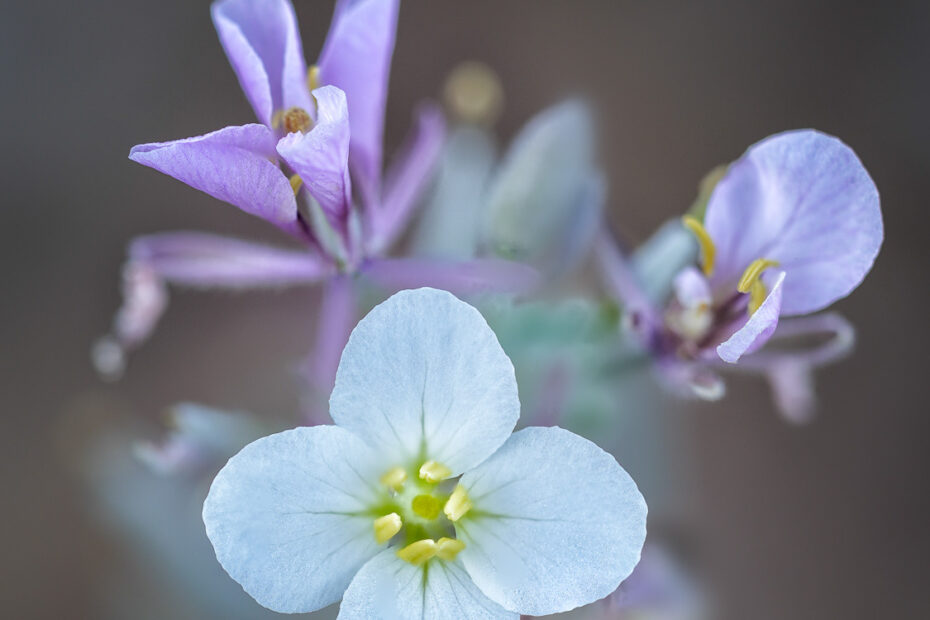
Bicolor Fanmustard
The Bicolor Fanmustard is a grayish, hairy plant with clumps of leafy branched stems and racemes of white or lavender flowers.
The Bicolor Fanmustard is a grayish, hairy plant with clumps of leafy branched stems and racemes of white or lavender flowers.
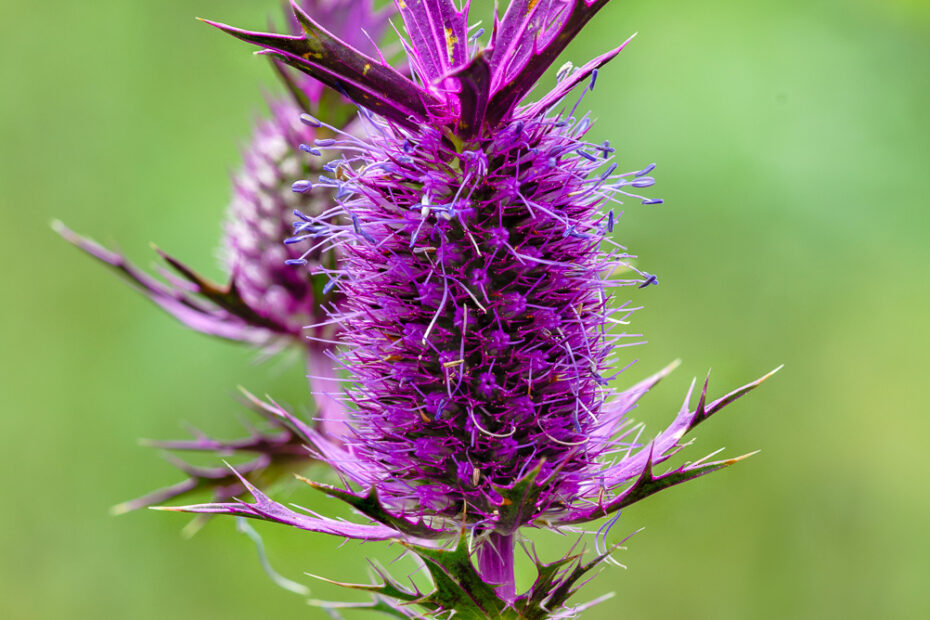
Leavenworth’s eryngo is a prickly, 20-40 in. annual with a leafy stem, broadly branched in the upper portion. Almost the entire plant has some shade… Read More »Eryngo
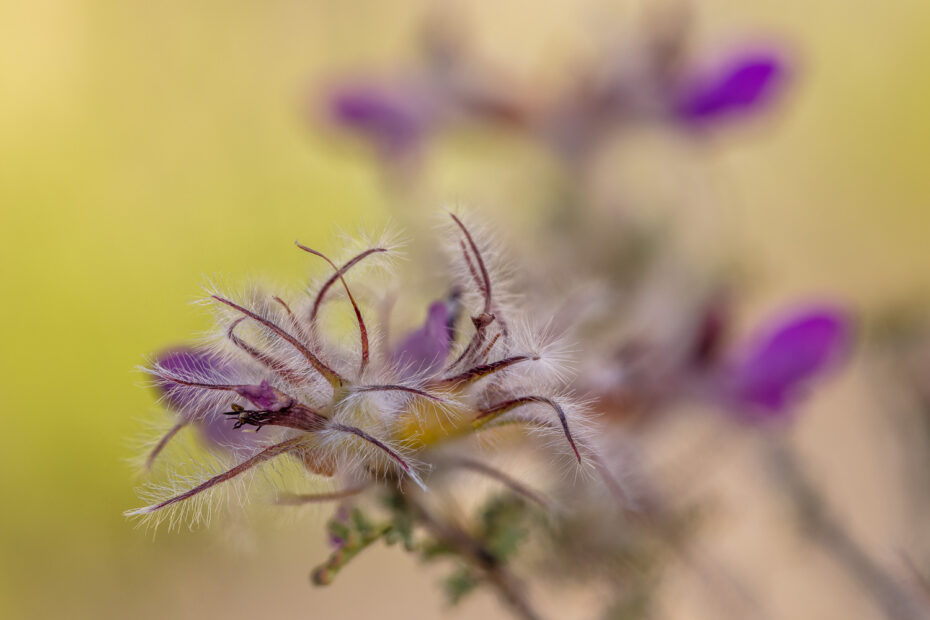
One of many shrubby species of Dalea, this Feather Dalea, with its dark bark, contorted branches, and small leaves–is an excellent candidate for bonsai.
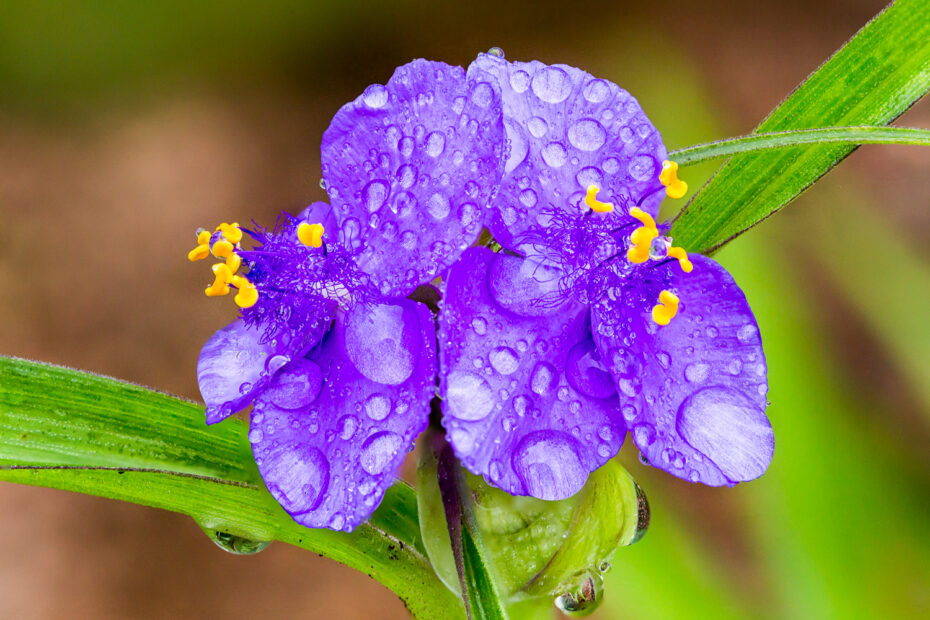
Named after John Tradescant (1608-1662) who served as gardener to Charles 1 of England. Tradescantia species will hybridize in just about any combination.
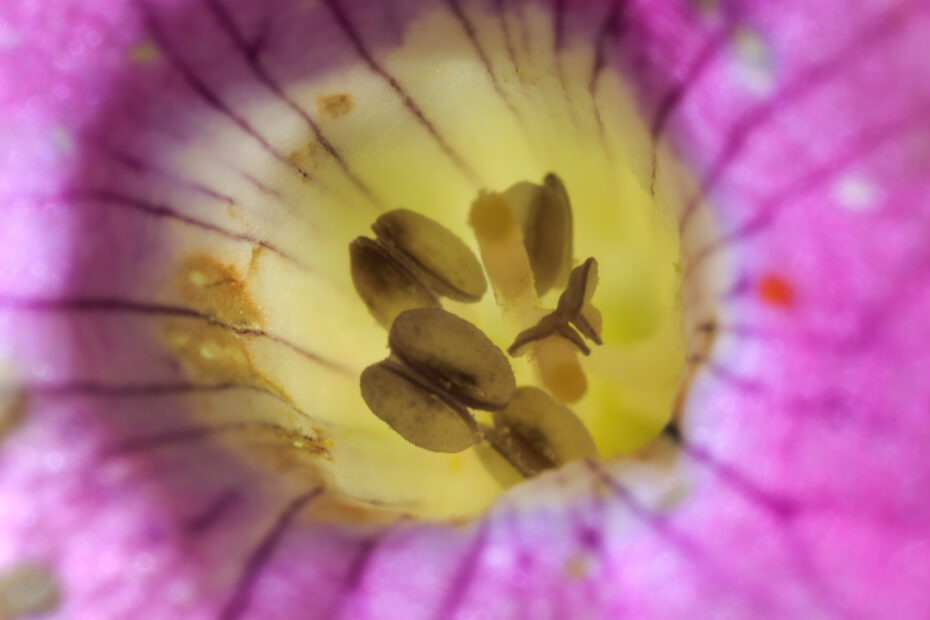
The Havard’s Fiddleleaf is one of the less common members of this genus, found only in four counties of west Texas (Presidio, Brewster, Terrell, Val… Read More »Havard’s Fiddleleaf
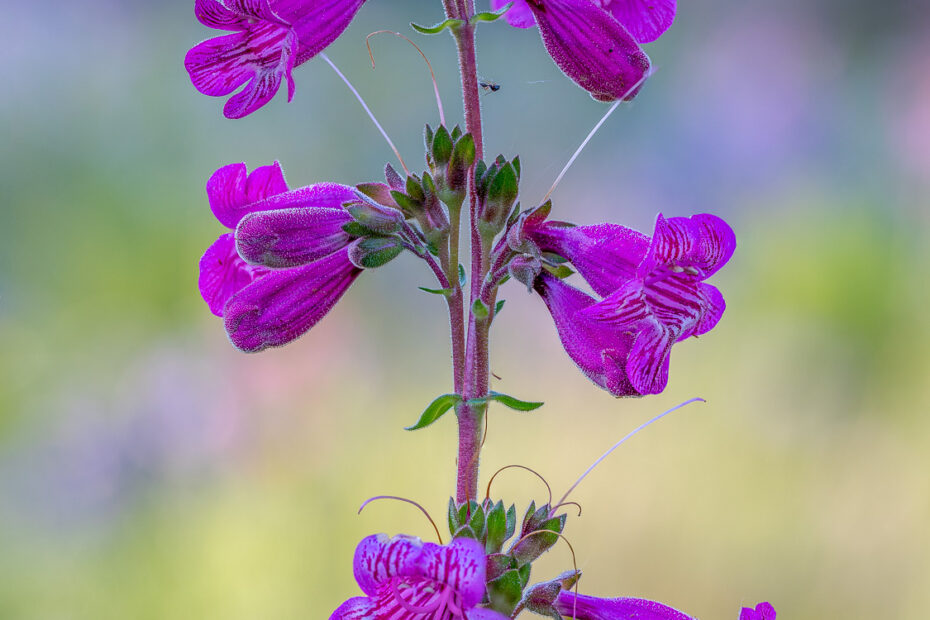
The Hill Country Penstemon is 1 1/2-2 ft. tall. Its brilliant red flowers, 2 in. long, are among the most showy of the genus.
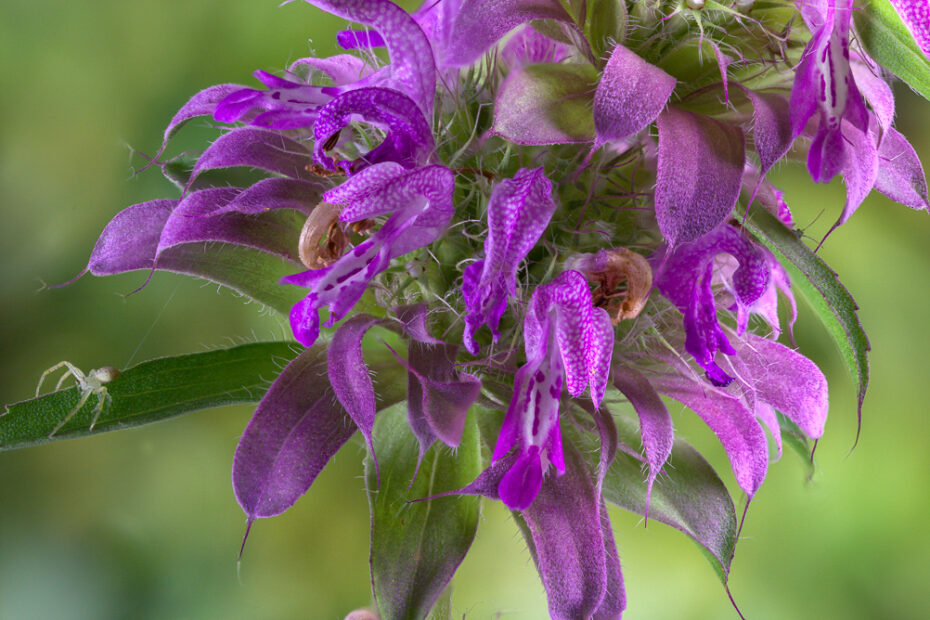
Purple Horsemint is an aromatic winter annual with tuft-like, lavender to pink, whorled flower heads. Each whorl is subtended by whitish or lavender, leaf-like bracts.
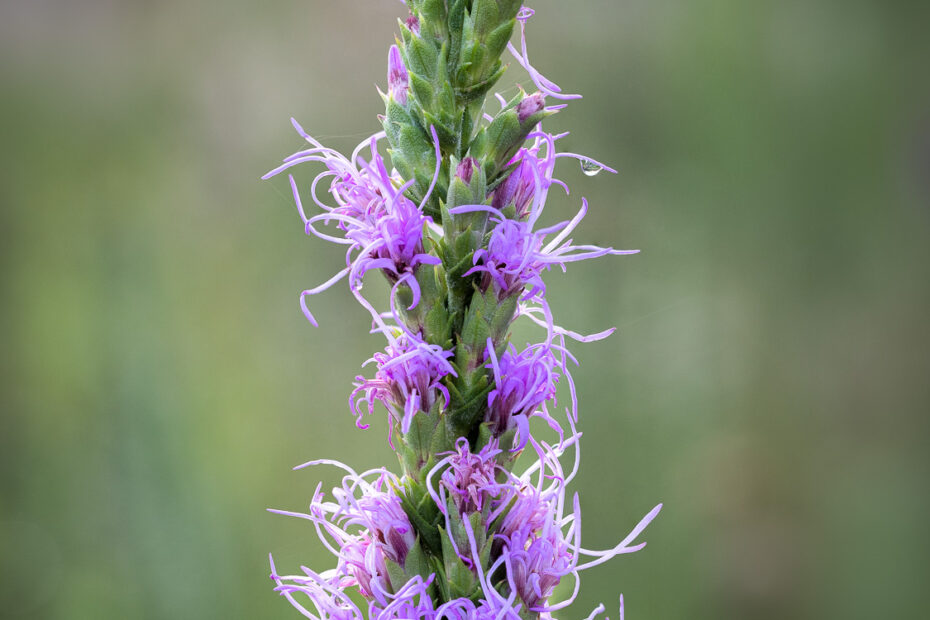
The purple Texas Gafeather flowers are densely congested in a long spike on the upper part of the stem. The leaves are narrow and crowded.
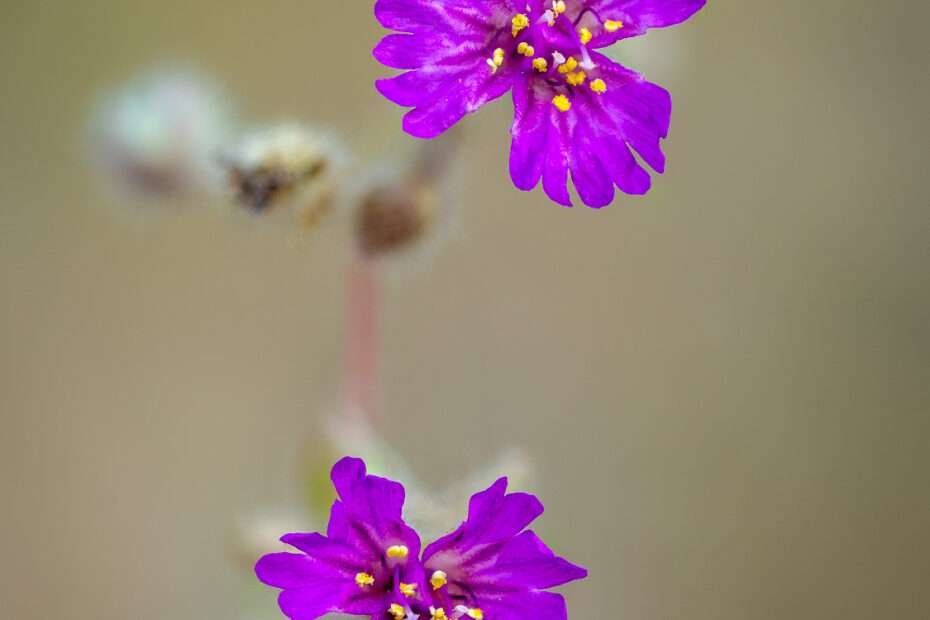
The orchid-colored trailing four-o’clock is a vine that grows along the ground; the plant can be 10 feet across.
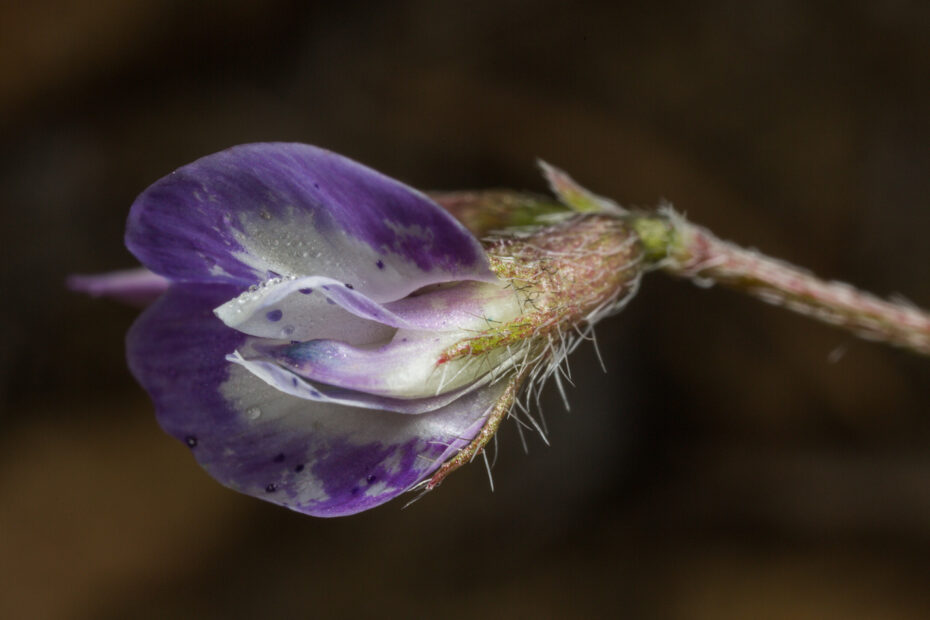
Turkey Peas is a species of milkvetch. It is native to the southwestern and south-central United States and northern Mexico, where it can be found… Read More »Turkey Peas
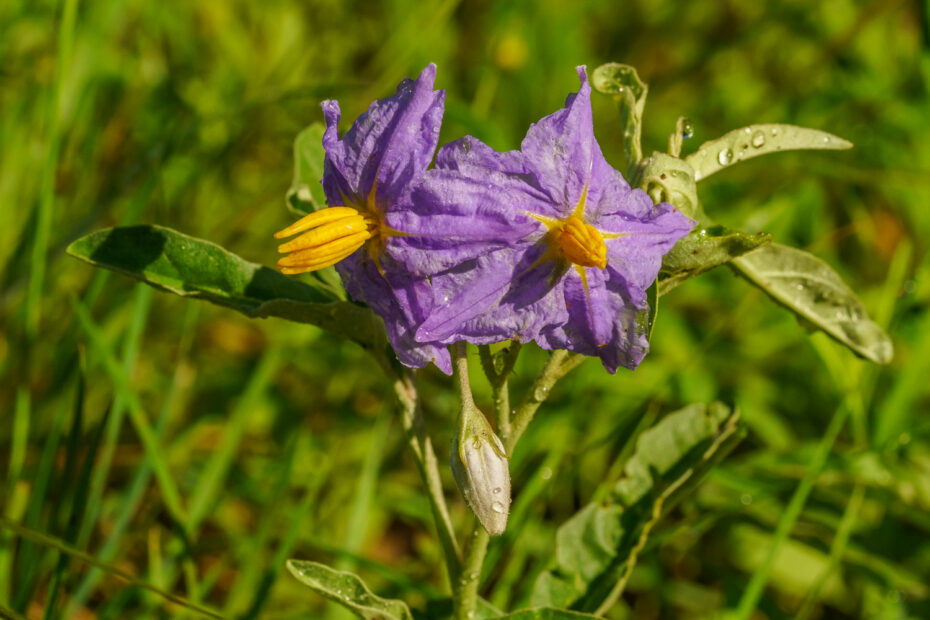
The leaves, petioles and branched stems of western horse nettle have sharp spines. Its flowers are purple to violet (sometimes white) and grow at the… Read More »Western Horse-Nettle
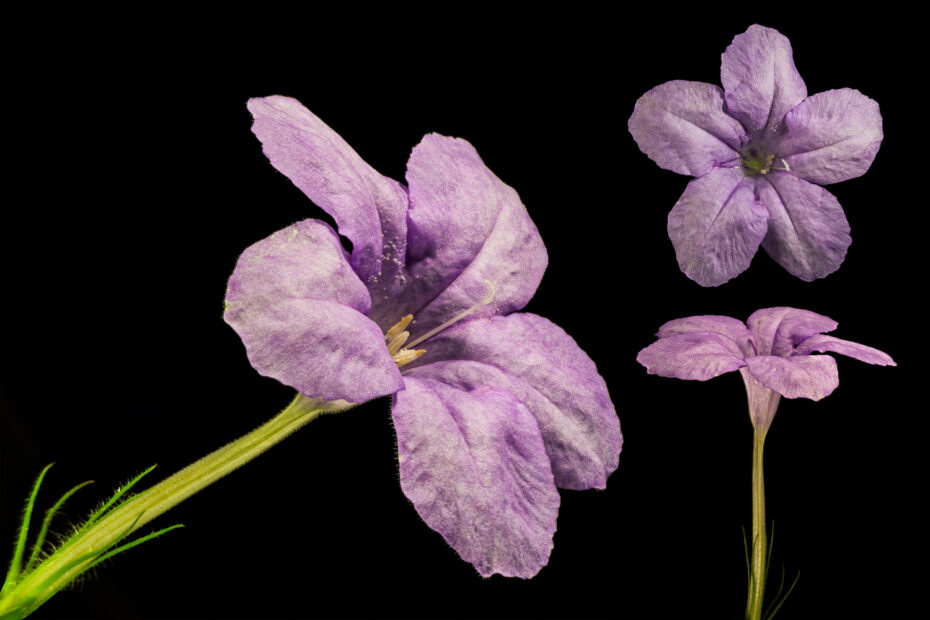
The Western Wild Petunia’s claim to fame is its lovely violet flower trumpets, a hummingbird favorite! This rare plant is perfect for dry, hot locations.